
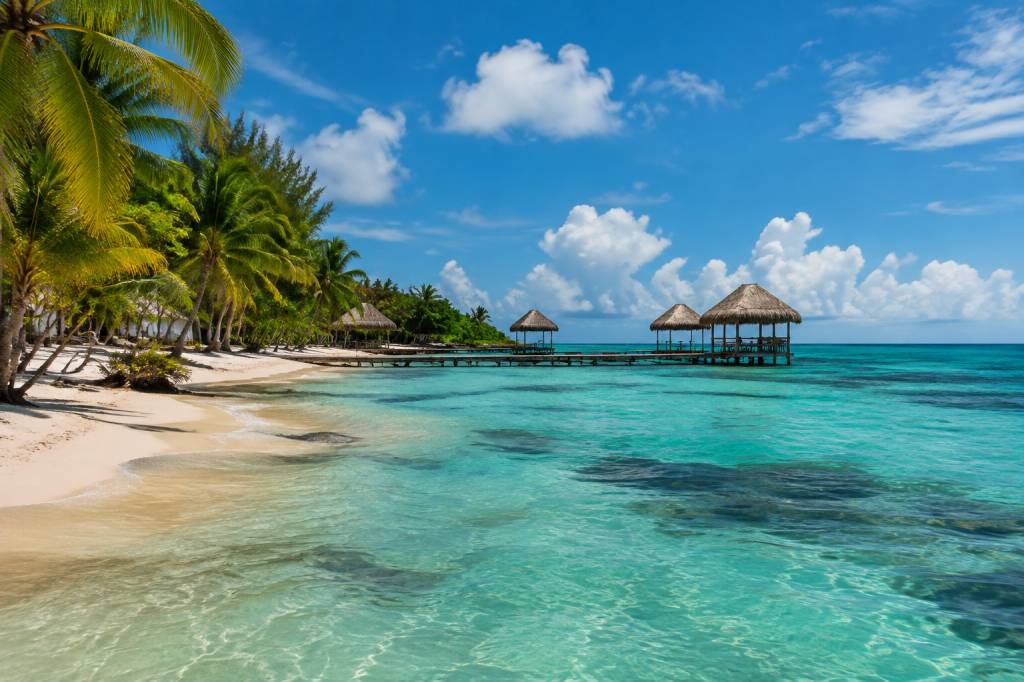
Belize is small enough to explore without crossing half a continent, yet its landscapes change dramatically from one day to the next. You can snorkel above a coral reef in the morning, wander through a rainforest in the afternoon, and finish the day with fresh seafood by the water. The trick is choosing the right base—or combining a few of them.
For beaches, nature, and adventure, these are some of the best places to visit in Belize. Each has its own character, so the ideal itinerary depends on whether you picture yourself drifting over a reef, hiking to a waterfall, or ordering one more plate of grilled fish as the sun goes down.
Ambergris Caye: The Best All-Round Base for Reef Adventures
Ambergris Caye is Belize’s largest island and one of its most popular places to stay. San Pedro, its main town, has a lively mix of restaurants, guesthouses, dive shops, and waterfront bars. The island makes a convenient base for exploring the Belize Barrier Reef, which lies just offshore.
Boat trips from San Pedro reach well-known sites such as Hol Chan Marine Reserve and Shark Ray Alley. At Hol Chan, you can snorkel among coral, tropical fish, and sea turtles. Shark Ray Alley is famous for its nurse sharks and southern stingrays. They are accustomed to boats and visitors, but they are still wild animals: follow your guide’s instructions, keep a respectful distance, and never touch marine life.
Ambergris Caye is also a good choice if you want more than a quiet beach holiday. You can spend the morning diving, rent a golf cart to explore the island, then head back to San Pedro for dinner. The town is lively by Belizean standards, especially in the evening, but it is easy to find a slower pace away from the busiest streets.
One useful detail: many beaches in Belize are narrow, and some have sea grass or docks rather than long stretches of uninterrupted sand. If your dream beach is a postcard-perfect expanse, ask your accommodation what the shoreline is like before booking. The reef, the boat trips, and the easygoing island atmosphere are often the bigger draw here.
Caye Caulker: Laid-Back Island Days and Easy Snorkeling
“Go slow” is the unofficial motto of Caye Caulker, and it is best treated as practical advice. This small island is a short boat ride from Belize City and offers a relaxed alternative to the busier feel of San Pedro. There are no cars, and many visitors get around on foot or by bicycle.
The Split, a narrow channel that divides the northern and southern parts of the island, is a popular place to swim, sunbathe, and linger over a cold drink. It is not a wild, empty beach, but it is an easy spot to enjoy the water without planning a full-day outing. For a more memorable swim, book a licensed snorkeling trip to nearby reef sites.
Caye Caulker works especially well for travelers who want reef adventures without a packed schedule. You might join a half-day tour, spend the afternoon browsing local food stalls, and watch the sky change color from the waterfront. If you are lucky, a pelican will provide the evening’s entertainment by making a spectacularly awkward landing.
Choose Caye Caulker for a mellow island stay, rather than for resort-style beaches. Accommodation is generally informal, and the island’s charm lies in its friendly pace and easy access to marine activities. Bring reef-safe sunscreen, and check what is included in tour prices: equipment, lunch, park fees, and transportation can vary.
Placencia: A Peninsula for Beaches, Food, and Day Trips
Placencia sits on a long, narrow peninsula in southern Belize. It is one of the better places to look for a traditional beach-town feel, with a sandy shoreline, small hotels, and restaurants within easy reach. The village is compact enough to explore on foot, while nearby resorts offer a quieter stay.
The peninsula makes a strong base for both sea and mainland adventures. You can arrange snorkeling or diving trips to the Belize Barrier Reef, go kayaking through mangroves, or take a boat tour to look for wildlife. On land, day trips can take you to waterfalls, caves, and Maya archaeological sites. Placencia is also a gateway to the country’s southern districts, where the scenery feels greener and less developed than the northern cayes.
Planning matters here. Some excursions involve long drives or boat transfers, so ask how much time you will actually spend traveling before booking. If you want a beach day, check current local conditions as well. Seaweed and weather can affect the shoreline, particularly at certain times of year.
Placencia suits travelers who want to balance relaxing by the water with exploring beyond it. You can keep your days simple, or use the village as a launchpad for a more ambitious itinerary. Either way, save room for a meal of fresh fish or Belizean rice and beans.
Hopkins: Garifuna Culture and Coastal Adventure
Hopkins is a coastal village with a welcoming, community-centered feel and strong Garifuna cultural traditions. It is a particularly rewarding stop if you want your Belize trip to include more than scenery. Local music, food, and cultural experiences can help you understand the living heritage of the region, not just its landscapes.
The coast is a good starting point for kayaking, fishing, and boat trips. Inland, Hopkins offers access to Cockscomb Basin Wildlife Sanctuary and the Maya Mountains. Depending on your interests and the season, you can arrange a rainforest hike, a river excursion, or a visit to a nearby waterfall. Ask local guides about conditions before setting out; trails and river levels can change with the weather.
Hopkins is less polished than a large resort area, and that is part of its appeal. It is a place to slow down, talk with local people, and enjoy a less hurried side of Belize. A respectful visit means asking before photographing people, supporting local guides and businesses, and treating cultural performances as meaningful traditions rather than background entertainment.
Cockscomb Basin: Rainforest Trails and Jaguar Country
For a dramatic change of scenery from the coast, head to Cockscomb Basin Wildlife Sanctuary. The sanctuary protects a large area of tropical forest and is widely known for jaguars, although spotting one is extremely unlikely. Think of it as a place to appreciate the habitat, not a guaranteed big-cat safari.
Hiking trails lead through forest to viewpoints, streams, and waterfalls. Some routes are relatively short, while others require more time and preparation. Bring plenty of water, wear shoes with good grip, and check trail conditions with sanctuary staff. Humidity, rain, and muddy paths can turn a simple walk into a proper workout.
The forest is full of smaller discoveries: bird calls overhead, butterflies along the trail, and the shifting sounds of the canopy. Go with a licensed guide if you want help identifying plants and wildlife or are planning a longer hike. As always, observe animals quietly and leave the plants, shells, and other natural objects where you find them.
Cockscomb pairs well with a stay in Hopkins or Placencia. It gives your itinerary a real rainforest experience without requiring you to travel all the way to western Belize.
San Ignacio: Caves, Maya Sites, and Inland Exploration
San Ignacio, in western Belize, is one of the country’s best bases for cultural and outdoor adventures. The town has a lively market, a range of places to eat, and easy access to several major attractions. It is a useful contrast to the cayes: instead of sea breezes and boat docks, expect river valleys, forest, and ancient stonework.
One of the region’s most famous experiences is Actun Tunichil Muknal, often called ATM Cave. This guided journey combines hiking, swimming, and cave exploration, with archaeological remains inside. Access is controlled, and visitors must go with an authorized guide. The route is physically demanding and involves water, uneven surfaces, and close attention to safety instructions. Check age, mobility, and equipment requirements before booking.
San Ignacio is also a convenient starting point for visiting Maya sites such as Xunantunich and Cahal Pech. At Xunantunich, a short river crossing is part of the trip, and climbing the main structure rewards visitors with broad views over the surrounding countryside. Guides can bring the history of the site to life, so consider hiring one rather than treating the ruins as a quick photo stop.
Other nearby outings include cave tubing, river trips, and visits to nature reserves. If you are choosing between activities, consider how many long tours you want to fit into your trip. ATM Cave, in particular, is a full and tiring day; it deserves time to enjoy rather than being squeezed between two other excursions.
Mountain Pine Ridge: Waterfalls, Pools, and Open Forest
Mountain Pine Ridge Forest Reserve offers a different kind of inland landscape. Instead of dense lowland rainforest, parts of the reserve are covered in pine forest, with rocky scenery, rivers, and waterfalls. It is a refreshing destination for swimming, hiking, and taking a break from the heat of the coast.
Popular stops include the Rio On Pools, where water flows over smooth granite formations, and Big Rock Falls, which drops into a deep pool below. Conditions vary, so take care on wet rocks and follow local advice before swimming. Waterfalls may look inviting, but currents and slippery surfaces deserve respect.
The reserve is often visited as a day trip from San Ignacio, though the roads can be rough and travel times longer than a map suggests. A suitable vehicle and an experienced driver can make the day easier. Ask your accommodation or tour operator about road conditions, especially after heavy rain, and plan a realistic itinerary instead of trying to see every stop at once.
How to Choose the Right Places for Your Trip
If you have about a week, a simple combination is a few nights on a caye and a few nights inland. Ambergris Caye or Caye Caulker works well for reef trips, while San Ignacio offers caves, Maya history, and forest. With more time, add Placencia or Hopkins for a southern coast experience and access to Cockscomb Basin.
-
Choose Ambergris Caye if you want a lively island base with easy access to snorkeling and diving.
-
Choose Caye Caulker if your ideal days are informal, walkable, and guided by the “go slow” approach.
-
Choose Placencia for a beach-town atmosphere with plenty of mainland and reef day trips.
-
Choose Hopkins for coastal adventures and a closer connection to Garifuna culture.
-
Choose San Ignacio for caves, Maya sites, rivers, and inland nature.
Belize’s dry season generally runs from late November through May, while the rainy season is usually from June through November. These are broad patterns, not a weather guarantee. Conditions can shift, and seaweed may affect some beaches. Before you travel, check local forecasts, tour availability, and any seasonal advisories. For marine excursions, choose reputable operators who follow wildlife guidelines and provide properly maintained equipment.
Getting Around and Traveling Responsibly
Belize’s small size can make distances look deceptively easy. Roads, transfers, boat schedules, and weather all affect travel time, so avoid planning a major activity immediately after a long transfer. Domestic flights can save time on some routes, while water taxis and buses are practical for others. Confirm departure times and luggage limits directly with the operator.
Pack light clothing, a rain layer, insect repellent, and sturdy footwear for inland excursions. A dry bag is useful on boat trips, and a reusable water bottle helps reduce plastic waste. Bring cash for small purchases, but do not carry more than you need for the day. It is also worth checking whether your travel insurance covers activities such as diving or cave exploration.
Belize’s greatest experiences depend on healthy ecosystems and local knowledge. Use reef-safe sunscreen, avoid standing on coral, and never feed or touch wildlife. Choose local guides when possible, respect community customs, and leave natural and archaeological sites as you found them. These small choices help keep the places you came to see just as extraordinary for the next traveler.
Whether you spend your days floating above the reef, hiking through pine forest, or listening to music in a coastal village, Belize rewards a little curiosity. Pick a couple of regions, give yourself time to explore, and let the country’s mix of sea, jungle, and culture shape the journey.