Why Plan an Authentic Belize Itinerary Off the Beaten Path
Belize is often reduced to a handful of classic stops: Ambergris Caye, the Great Blue Hole, a few Mayan temples. These destinations are popular for good reasons, but an authentic Belize itinerary goes much further. By stepping away from standard tourist routes, you encounter living Garifuna culture, remote Mayan villages, mangrove-fringed lagoons and reef systems where you might not see another boat for hours.
Designing an off-the-beaten-path itinerary in Belize is less about rushing between “must-see” attractions and more about connecting with people, landscapes and traditions. It means slowing down, embracing local transportation, staying in family-run guesthouses, and giving space for unscripted experiences.
Best Time to Visit Belize for an Authentic Experience
Belize has a tropical climate, and the timing of your trip will shape how easy it is to explore remote areas.
Dry season (roughly late November to April) is the most popular travel window, particularly December to March. Roads are generally in good condition, which is crucial if you want to reach lesser-known jungle lodges, off-grid cayes or inland Mayan villages.
Green season (May to early November) has more rain, but also fewer tourists and lower prices. For an authentic Belize travel experience, this period can be particularly rewarding. Showers are usually short and intense, rather than all-day downpours, and the landscapes are lush. However, some remote eco-lodges or small islands may close briefly in the peak of hurricane season (September–October).
If your focus is on community-based tourism, birdwatching or river expeditions, the shoulder months (May–June and November) can offer a good balance of accessibility and tranquillity.
How Long to Stay: Building a Flexible Belize Itinerary
To experience Belize beyond the usual tourist trail, try to plan at least 10–14 days in the country. This allows time to combine the reef, the rainforest and the cultural heartland without constant transit days.
A flexible framework for an off-the-beaten-path itinerary could look like:
- 3–4 days on less-visited cayes or coastal villages (e.g., Tobacco Caye, South Water Caye, Sarteneja, Hopkins)
- 3–5 days in the rainforest interior (e.g., Toledo District, Mountain Pine Ridge, Chiquibul buffer zone)
- 2–4 days focused on culture and local life (e.g., Garifuna communities, Mayan villages, Mennonite settlements)
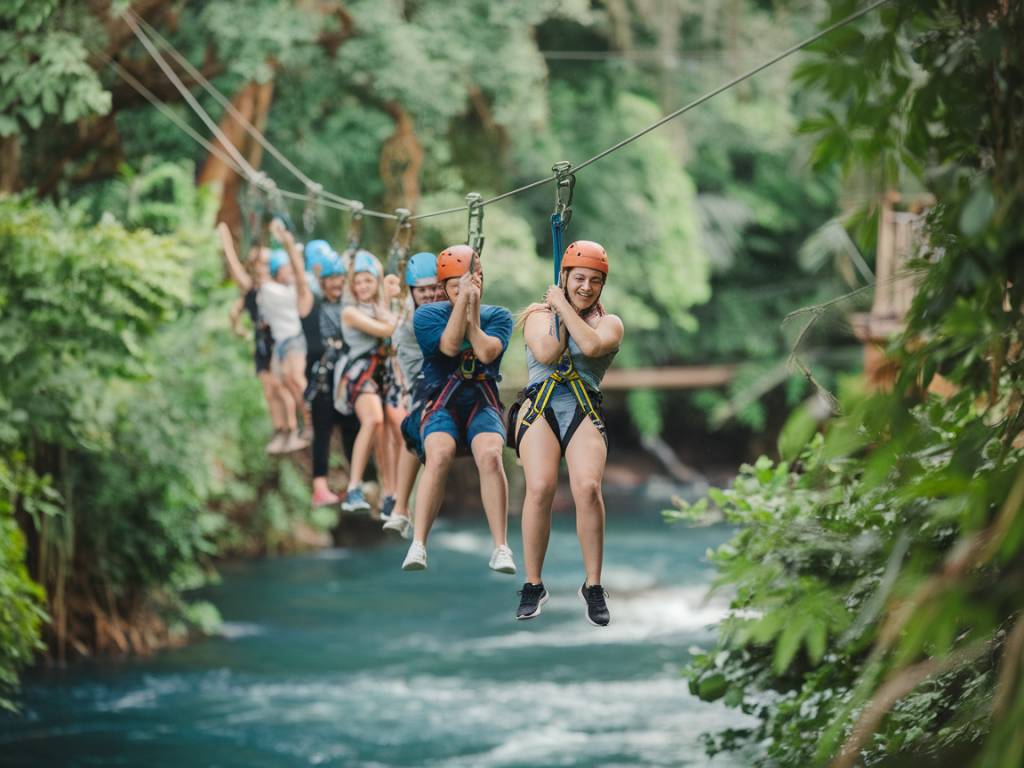
Leave a couple of days unplanned. Local recommendations—an impromptu drumming workshop, a village festival, a river journey with a guide—often become the highlights of a truly authentic Belize trip.
Choosing Less Touristed Regions in Belize
Most first-time visitors center their Belize itinerary around Belize City, San Ignacio and Ambergris Caye. To design a more original route, consider anchoring your trip in these lesser-visited regions instead.
Toledo District: Belize’s Remote South
Toledo, in southern Belize, is often described as the country’s “forgotten district”. It’s one of the best places to experience off-the-beaten-path Belize travel, with a strong focus on community-based tourism and Mayan culture.
Base yourself in Punta Gorda or at an eco-lodge in the surrounding hills and explore:
- Mayan villages such as San Pedro Columbia, Blue Creek and San Miguel, where homestays and cacao farm visits support local families.
- Ruins like Lubaantun and Nim Li Punit, usually much quieter than more famous sites like Xunantunich or Caracol.
- Cacao and spice farms producing organic chocolate, vanilla and black pepper—tours often include hands-on processing and traditional cooking.
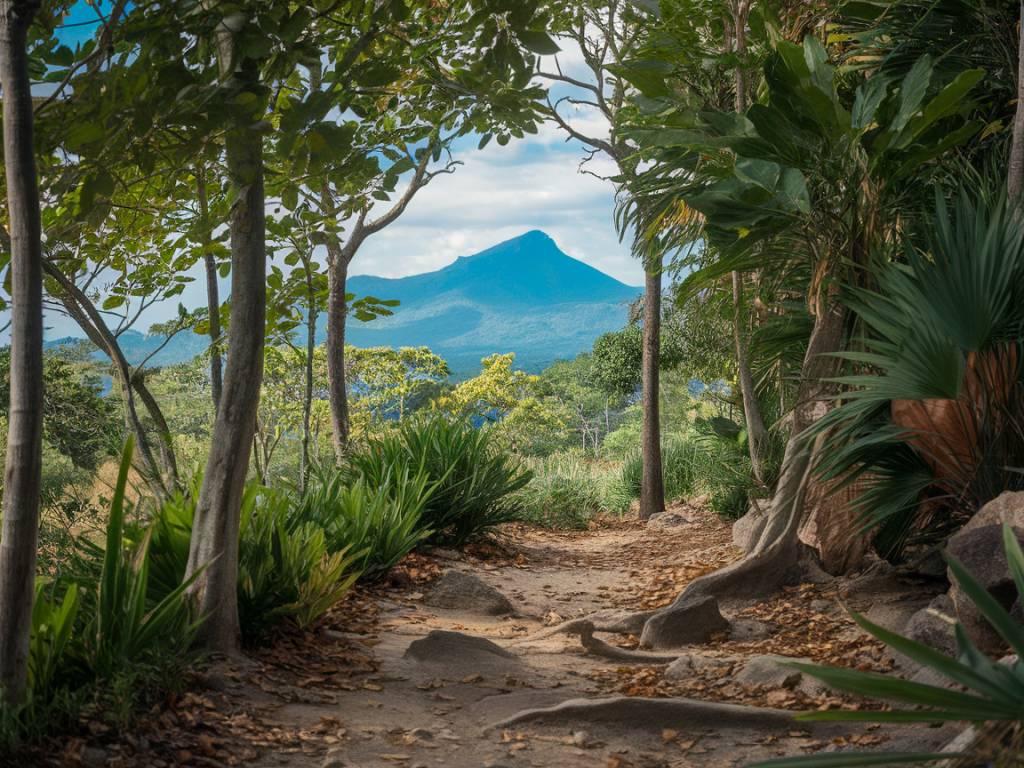
- Rivers and caves, including swimming spots and guided hikes to hidden waterfalls that rarely appear on mainstream itineraries.
Toledo is ideal if you value slow travel, village walks and meaningful contact with local communities.
Southern Coast & Garifuna Culture: Dangriga and Hopkins
While Placencia has become increasingly well-known, the coastal towns of Dangriga and Hopkins still preserve a more low-key, village feel. They are also key centers of Garifuna culture—descendants of Afro-Indigenous people who arrived in Belize in the 19th century.
In Hopkins or Dangriga, an authentic Belize itinerary might include:
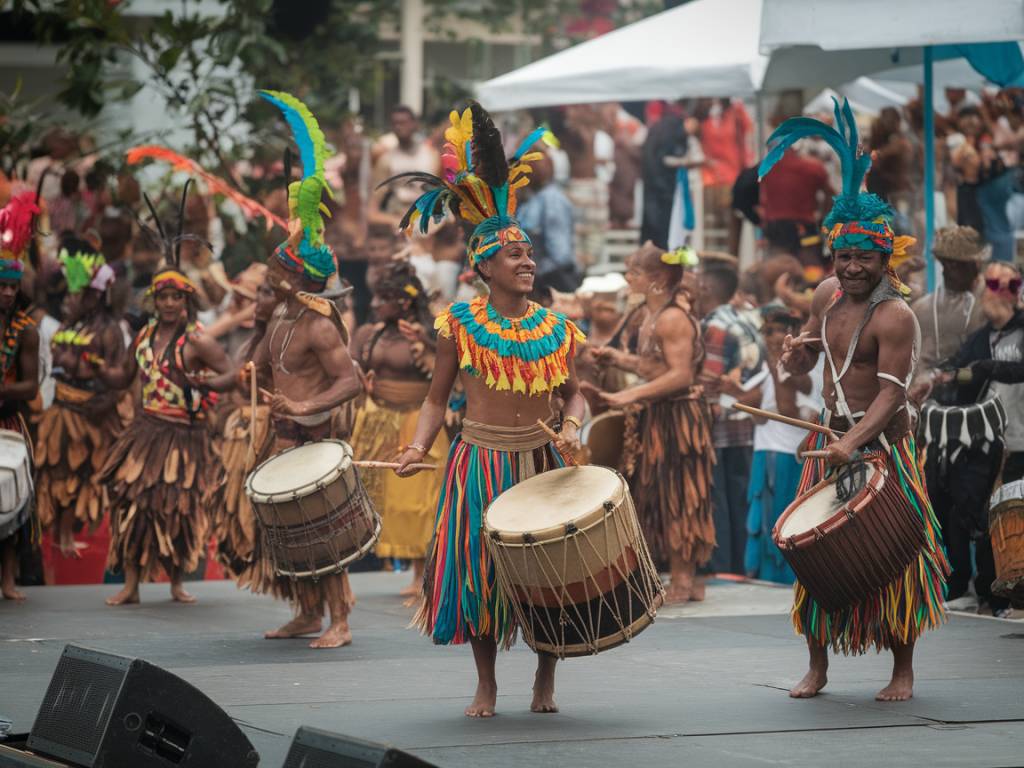
- Drumming and dance workshops at cultural centers, where you learn about Garifuna rhythms, language and oral history.
- Cooking classes focusing on dishes like hudut (coconut fish stew with mashed plantain) and cassava-based specialties.
- Day trips to South Water Caye Marine Reserve, a less crowded alternative to Hol Chan and Shark Ray Alley, with excellent snorkeling over healthy coral.
- Kayaking through mangroves at dawn or dusk, watching for manatees, dolphins and birdlife.
These communities offer a more local atmosphere than the larger island resorts, without sacrificing access to Belize’s Barrier Reef.
Northern Belize: Sarteneja, Corozal and Remote Nature Reserves
Northern Belize rarely dominates travel brochures, yet it’s rich in lagoons, savannas and quiet coastal villages. It’s an appealing region if you’re designing a Belize itinerary that avoids heavy crowds.
Highlights include:
- Sarteneja, a serene fishing village on Chetumal Bay, known for boat-building traditions and sunsets. It’s a good base for visiting nearby reserves or simply enjoying slow-paced coastal life.
- Shipstern Nature Reserve, close to Sarteneja, with trails through tropical forest, birdwatching towers and butterflies in great numbers.
- Cerros, a lesser-visited Mayan site set on a bay, often nearly empty outside weekends.
- Corozal Town, a laid-back border town with local markets and a good starting point if you’re arriving overland from Mexico.
Off-Grid Cayes and Quiet Reefs
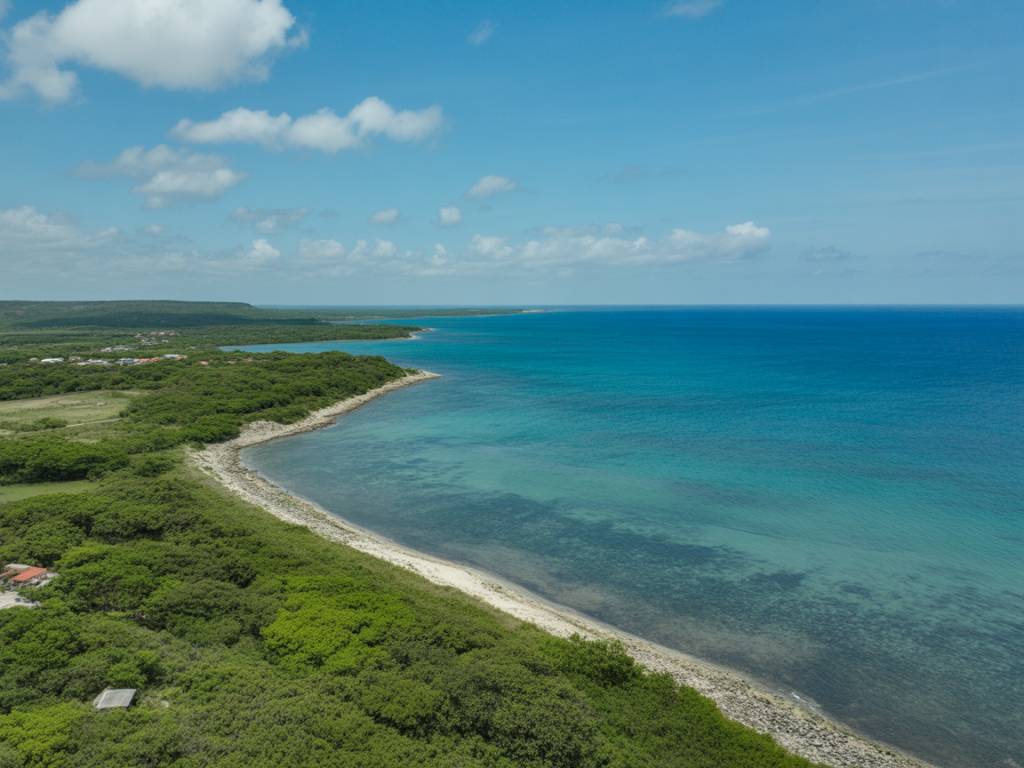
The Belize Barrier Reef is famous worldwide, but many visitors cluster around a few specific spots. To get off the beaten path while still enjoying world-class snorkeling and diving, look to smaller, less commercialized cayes.
- Tobacco Caye: A tiny sand island on the barrier reef edge, with simple cabins, no cars and easy access to vibrant coral gardens just offshore.
- South Water Caye: Slightly larger but still relaxed, sitting directly atop the reef in the South Water Caye Marine Reserve.
- Glover’s Reef Atoll: More remote, ideal for multi-day sea-kayaking, diving and camping or rustic cabanas, with dark skies perfect for stargazing.
Staying on these small islands offers a more low-key, nature-focused experience than bigger hubs, and it can be a highlight of any authentic Belize travel plan.
Integrating Culture and Community-Based Tourism
A Belize itinerary that feels authentic is often defined less by specific sites and more by how you engage with local people. Consider weaving these elements into your trip:
- Homestays in Mayan villages: Spend one or two nights with a family, sharing meals, visiting milpas (traditional farms), and learning about medicinal plants or weaving techniques.
- Community-run lodges in Toledo or the Cayo District, where guides are trained locally and profits benefit village projects.
- Cultural workshops—from Garifuna drumming in Hopkins to chocolate-making in San Antonio or San Pedro Columbia.
- Local markets in places like Punta Gorda, Belmopan or San Ignacio, where you can taste seasonal fruits, sample street food and talk to producers.
When booking, look for organizations explicitly involved in responsible tourism or community-based tourism: they usually showcase transparent partnerships with local communities and environmental initiatives.
Transport: Getting Around Belize Without Losing Time
An off-the-beaten-path route means stepping away from direct tourist shuttles at times, but getting around Belize is still manageable.
Domestic flights (Tropic Air, Maya Island Air) are efficient for long hops—like Belize City to Punta Gorda or Corozal—and offer spectacular views of reefs and rivers. They can save you a day of bus travel and are useful if your Belize itinerary is under two weeks.
Buses are cheap and social, connecting almost every town. They are ideal if you want to experience everyday life, but expect frequent stops and flexible schedules. Many travelers mix buses for short legs with occasional flights.
Car rental can be useful if you’re exploring remote parts of the Cayo or Toledo Districts, especially in the dry season. However, be prepared for rough roads, especially after heavy rains, and always check local advice before heading into forest reserves.
Boats and water taxis are essential for accessing cayes. For small or remote islands, transport may be arranged directly by your lodge, sometimes on a shared-boat basis.
Practical Tips for a Responsible, Authentic Belize Trip
To keep your itinerary both rewarding and respectful, a few practical considerations make a difference.
- Travel slowly: Spend several nights in each base instead of rushing through many destinations. This allows genuine interaction and reduces transport emissions.
- Support small-scale businesses: Choose locally owned guesthouses, eco-lodges and restaurants whenever possible.
- Ask before photographing people: In villages and markets, a simple request shows respect and often opens conversation.
- Minimize reef impact: Use reef-safe sunscreen, avoid standing on coral, and follow your guide’s instructions when snorkeling or diving.
- Prepare for limited connectivity: Many off-grid lodges have patchy Wi-Fi or rely on solar power. Bring a good book, a headlamp and a willingness to disconnect.
- Learn basic phrases: English is the official language, but a few words of Kriol, Garifuna or Spanish can be a genuine ice-breaker.
Sample Two-Week Off-the-Beaten-Path Belize Itinerary
The following outline shows how to combine reef, rainforest and culture while focusing on lesser-known destinations. Adapt it to your interests and travel pace.
- Days 1–3: Hopkins or Dangriga
Settle into a small guesthouse on the southern coast. Organize a Garifuna drumming workshop, take a cooking class, and snorkel at South Water Caye Marine Reserve, avoiding crowds found near busier islands. - Days 4–6: Tobacco Caye or South Water Caye
Move to a small caye for a few days of simple island life. Spend your time snorkeling, kayaking, and exploring patch reefs. Evenings are quiet, under stars rather than bar lights. - Days 7–10: Toledo District
Travel south to Punta Gorda and on to a community-based lodge or Mayan village homestay. Visit cacao farms, low-key ruins like Lubaantun, and hidden swimming holes. Join a local guide for a day of river exploration or birdwatching. - Days 11–13: Cayo District (lesser-known areas)
Head north toward the Cayo District, but opt for smaller villages or eco-lodges near Mountain Pine Ridge rather than staying only in San Ignacio. Explore waterfalls, cave systems and forest trails with local guides. Consider a day trip to Caracol if you wish, but focus on quieter natural spots. - Day 14: Return to Belize City or onward travel
Use a domestic flight or bus to return for your international connection, or continue overland into Mexico or Guatemala if your route extends beyond Belize.
Crafting Your Own Authentic Belize Journey
Designing an original Belize itinerary means shifting your priorities: less ticking off famous attractions, more attention to atmosphere, relationships and local initiatives. By choosing remote districts such as Toledo, low-key coastal villages like Hopkins or Sarteneja, and small cayes directly on the reef, you experience a side of Belize that many visitors never see.
Allow room in your schedule for invitations, conversations and unplanned detours, and your time in Belize is likely to feel both more memorable and more closely connected to the country’s diverse cultures and ecosystems.