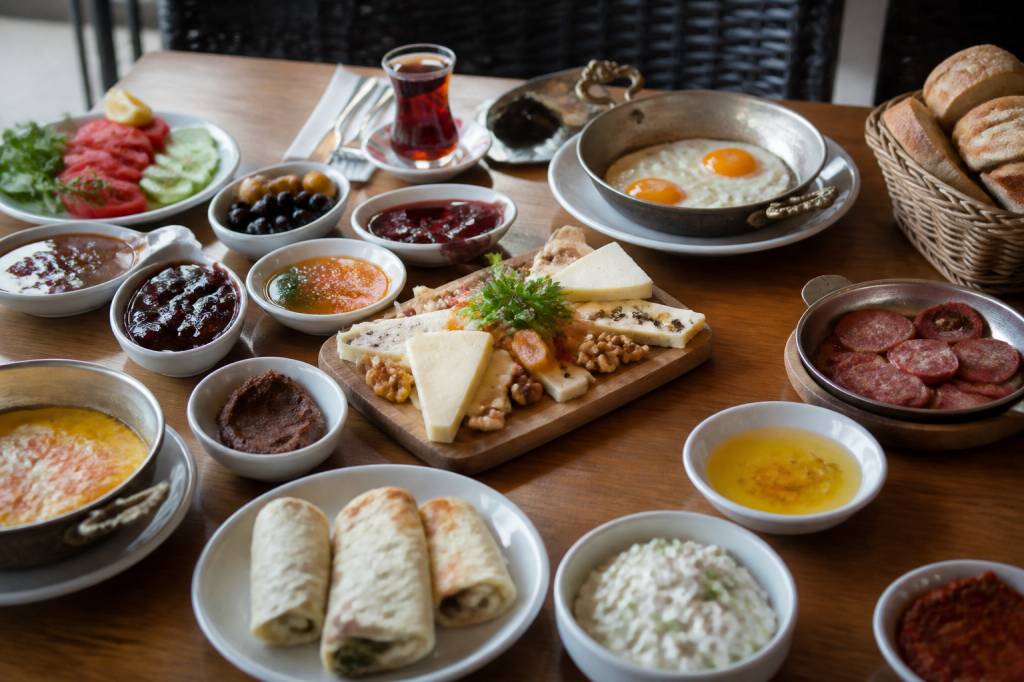
Breakfast in Turkey is not just a meal; it’s a small ritual with a big personality. If you’ve ever pictured a quick coffee and toast before heading out for the day, Turkey will politely but firmly teach you otherwise. Here, breakfast can stretch into a leisurely, social spread of cheeses, olives, eggs, honey, bread, tomatoes, cucumbers, and more tea than you thought a human could reasonably drink before noon.
For travelers, this is one of the easiest and most enjoyable ways to experience Turkish culture. You don’t need a museum ticket or a guided tour to understand daily life in Turkey. Sit down to a proper kahvaltı, and you’ll see how locals start the day: slowly, generously, and with serious attention to flavor.
What makes Turkish breakfast so special?
The word kahvaltı literally refers to “before coffee,” which already tells you something about the rhythm of the meal. Breakfast comes first; coffee can wait. And unlike a rushed grab-and-go breakfast in many places, Turkish breakfast is often a shared experience. Think of it as a table full of small dishes, each one offering a different taste or texture.
There isn’t just one “standard” Turkish breakfast. What you get depends on where you are, whether you’re in a city café, a seaside town, a mountain village, or a roadside restaurant. But the core idea stays the same: fresh ingredients, variety, and enough food to make lunch feel unnecessary.
It’s also a social meal. Families linger over tea. Friends gather for long weekend breakfasts. Travelers quickly discover that breakfast can become one of the highlights of a trip, especially when enjoyed outdoors with a view of the Bosphorus, the Aegean coast, or a village courtyard.
What to eat for breakfast in Turkey
If you’re opening a Turkish breakfast menu for the first time, the sheer number of options can feel a little overwhelming. The good news? Most dishes are easy to love, and many are meant to be shared.
That’s the everyday version. In some regions, breakfast goes further and becomes a feast with local specialties, pastry items, and hot dishes. If you’re lucky, you may even end up with enough plates on the table to feel like you’ve accidentally ordered brunch for a family reunion.
Must-try Turkish breakfast dishes
Some breakfast foods in Turkey deserve special attention because they capture the spirit of the country so well. If you only try a few things, make them these.
Menemen is one of the most beloved breakfast dishes in Turkey. It’s a soft, comforting mix of eggs, tomatoes, green peppers, and sometimes onions, cooked until just set. The texture is more silky than scrambled, and the flavor is bright and savory. Best eaten with plenty of bread.
Simit is the Turkish answer to the sesame bagel, though it has its own identity. Circular, crunchy on the outside, and slightly chewy inside, it’s sold everywhere from bakeries to street carts. Pair it with cheese or jam for a simple breakfast on the move.
Gözleme is a thin stuffed flatbread cooked on a griddle. Depending on the filling, it can be a breakfast item, a snack, or a full meal. Common versions include cheese, spinach, potato, or minced meat. In rural areas, watching it being prepared is half the fun.
Börek comes in many forms, but for breakfast, it usually means layers of pastry filled with cheese, herbs, or meat. It’s rich, satisfying, and perfect with tea.
Tahini and molasses might sound unusual if you’re not used to it, but it’s a classic Turkish combination. The nutty depth of tahini cuts the sweetness of the grape molasses, creating a spread that is both energizing and satisfying.
Pide-style breakfast breads and regional pastries also appear in different parts of the country. In many places, breakfast reflects local ingredients more than a fixed national menu, which is part of the joy of eating your way across Turkey.
Regional breakfast traditions worth seeking out
Turkey is large, and breakfast changes noticeably from region to region. If you enjoy travel through food, this is where things get especially interesting.
Istanbul offers the widest range of breakfast experiences. You’ll find everything from stylish cafés serving modern brunch menus to old-school spots where the table overflows with small plates. In neighborhoods like Beşiktaş, Karaköy, and Kadıköy, breakfast culture is strong and varied. Start early if you want a quieter atmosphere; otherwise, expect a crowd.
The Black Sea region is famous for hearty breakfasts, especially those featuring local cheeses, corn bread, butter, and honey. In places like Trabzon and Rize, breakfast can feel mountain-sized. This is where you may encounter kuymak or mıhlama, a hot, stretchy cornmeal-and-cheese dish that is gloriously rich and best eaten immediately.
The Aegean coast tends to emphasize freshness. Expect plenty of herbs, olive oil, cheeses, greens, and seasonal produce. Breakfast here often feels lighter, but no less satisfying. Coastal towns like İzmir and Alaçatı are especially known for elegant breakfast spreads.
Central Anatolia leans into bread, dairy, and filling dishes suited to a colder climate. Village breakfasts often feature homemade jams, clotted cream, eggs, and freshly baked bread.
Southeastern Turkey has its own strong breakfast identity, with spicier flavors and local specialties. In cities like Gaziantep and Diyarbakır, breakfast can include pistachios, rich pastries, and savory dishes with serious character.
Where to find the best breakfast in Turkey
Knowing what to eat is only half the adventure. The other half is knowing where to look. Turkey offers breakfast in many forms, and each one suits a different kind of traveler.
Breakfast cafés and kahvaltı salons are the easiest option in cities and tourist areas. These places often specialize in breakfast menus and offer fixed platters or endless mixed spreads. If you want a broad sample of Turkish breakfast without too much decision-making, this is a smart choice.
Local bakeries are ideal for a quick and affordable breakfast. Grab a simit, a börek, or a pastry, then add tea from a nearby café. It’s a practical option for early sightseeing days.
Street vendors are perfect for breakfast on the move. In many cities, you can buy a warm simit from a cart almost anywhere. It’s one of the simplest and most satisfying travel breakfasts in the country.
Village guesthouses and family-run pensions often serve the most memorable breakfasts. These are usually homemade, generous, and rooted in local ingredients. If you’re traveling outside the major cities, this is often where the food feels most personal.
Rooftop restaurants and waterfront cafés are worth it when the setting matters as much as the meal. Breakfast with a view of the Bosphorus, the sea, or a historic skyline turns a good meal into a great memory.
How much does breakfast cost?
Breakfast in Turkey can fit a range of budgets. A simple simit and tea from a street vendor may cost very little, while a large mixed breakfast in a trendy café or scenic restaurant will cost more. As a rough rule, you can keep it affordable if you eat like a local and splurge when the setting deserves it.
In major cities like Istanbul, breakfast prices vary widely depending on neighborhood and style. Touristy areas and upscale venues tend to be more expensive, while local cafés outside the main tourist zones often offer better value. In smaller towns, breakfast can be both cheaper and more generous.
If a restaurant offers a “serpme kahvaltı,” that usually means a shared breakfast spread with many small dishes brought to the table. It’s often great value for groups, but make sure you’re actually hungry. This is not the meal you order after a late-night feast unless you enjoy breakfast as a competitive sport.
Useful tips for eating breakfast like a local
Eating breakfast in Turkey is easy, but a few habits can make the experience even better.
If you are vegetarian, Turkey is an easy country for breakfast. Many traditional breakfast items are plant-based or dairy-based, and you’ll usually find plenty of options without meat. If you eat gluten-free, it can be a little trickier because bread is central to the meal, but eggs, cheese, olives, and vegetables are still widely available.
A breakfast ritual worth traveling for
One of the nicest things about breakfast in Turkey is that it gives you a daily entry point into the country’s rhythm. You don’t have to plan a major outing or search for an iconic landmark to have a memorable experience. Sometimes the best travel moments are the simplest ones: tea poured into a tiny glass, bread torn by hand, cheese shared across the table, and the sounds of a city slowly waking up.
For travelers who love culture as much as scenery, Turkish breakfast is a small but revealing window into local life. It shows you how people gather, what ingredients matter, and how much value the country places on hospitality. And yes, it also proves that breakfast can be delicious enough to deserve its own itinerary.
If you’re heading to Turkey, make room for breakfast. Not a quick one. A real one. The kind that lingers, introduces you to local flavors, and leaves you planning your next meal before you’ve even finished your tea.