In Belize, the sound of hand drums can lead you to a story that stretches from the Caribbean coast to the islands of the western Caribbean. It is the story of the Garifuna people: a resilient community with deep roots, a living language, distinctive music and food, and traditions that continue to shape Belizean culture.
Getting to know Garifuna culture is one of the most rewarding ways to look beyond Belize’s beaches and jungle trails. Whether you visit Dangriga, join a celebration in Hopkins, or share a meal by the sea, you’ll find that this is not a culture preserved only in museums. It is lived, spoken, cooked, danced, and passed from one generation to the next.
Who are the Garifuna people?
The Garifuna are an Indigenous and Afro-descendant people whose history developed in the Caribbean. Their ancestors include Indigenous peoples of the region, particularly Island Carib and Arawak communities, as well as Africans. Over generations, these influences came together in a distinct culture, language, and identity.
Today, Garifuna communities are found in Belize, Honduras, Guatemala, Nicaragua, and elsewhere. In Belize, they are an important part of the country’s cultural mosaic, alongside Maya, Creole, Mestizo, East Indian, and many other communities. Dangriga, often described as the cultural capital of the Garifuna in Belize, is a natural starting point for visitors curious about this heritage.
It’s worth remembering that “Garifuna” refers to a people, not just a style of music or a festival. Traditions are varied, and individuals relate to them in different ways. The best introduction is to listen to Garifuna people themselves: local guides, artists, cooks, historians, and community members.
A history shaped by survival and migration
Garifuna history is often traced to the Caribbean island of Saint Vincent, known in Garifuna as Yurumein. There, African and Indigenous ancestors formed a community that resisted European colonial control. After conflict with the British, many Garifuna were forcibly deported from Saint Vincent in 1797 to Roatán, an island off the coast of present-day Honduras.
From Roatán, Garifuna families gradually established communities along the Central American coast. Some settled in what is now Belize in the early nineteenth century. A key date in Belizean Garifuna history is November 19, 1832, when a group led by Alejo Beni is traditionally said to have arrived at Dangriga, then known as Stann Creek. The date is now observed as Garifuna Settlement Day.
This history includes displacement and hardship, but it is not only a story of loss. It is also a story of cultural continuity, adaptation, and community strength. Language, music, spiritual practices, and food traditions travelled with the people and took root in new places.
Garifuna Settlement Day: a celebration with meaning
Every November 19, Belize celebrates Garifuna Settlement Day with events in Dangriga and communities such as Hopkins, Seine Bight, and Punta Gorda. The day honours the arrival of Garifuna people in Belize and celebrates their contributions to the country.
One of the most striking traditions is the reenactment of the landing. Participants arrive by boat carrying flags, drums, and symbolic items, while people on shore welcome them with music and dancing. The scene is joyful, but it also carries the weight of a long journey and a shared history. It’s much more than a colourful photo opportunity.
Celebrations may include church services, parades, speeches, traditional food, and performances. Events vary by community, so check local schedules before travelling. If you attend, arrive with curiosity and respect. Ask before taking close-up photographs, follow local guidance, and remember that the day belongs first to the community celebrating it.
Language: a living connection to heritage
The Garifuna language is central to cultural identity. It has its own vocabulary and grammar and reflects the history of the people who speak it. Many Garifuna also speak English, Belizean Creole, or Spanish, depending on where they live and their personal background.
Like many Indigenous and minority languages, Garifuna has faced pressure from dominant languages and changing patterns of education and work. Community members, educators, and cultural organizations continue efforts to teach and preserve it. In 2001, UNESCO recognized Garifuna language, dance, and music as a Masterpiece of the Oral and Intangible Heritage of Humanity; the tradition was later included on UNESCO’s Representative List of the Intangible Cultural Heritage of Humanity.
A few words can make a visit feel warmer. “Buiti binafi” is a common Garifuna greeting meaning “good morning,” while “Seremein” means “thank you.” Pronunciation can take practice, so don’t worry about getting it perfect. A sincere attempt, followed by a smile, is usually a good start.
Drums, dance, and stories in sound
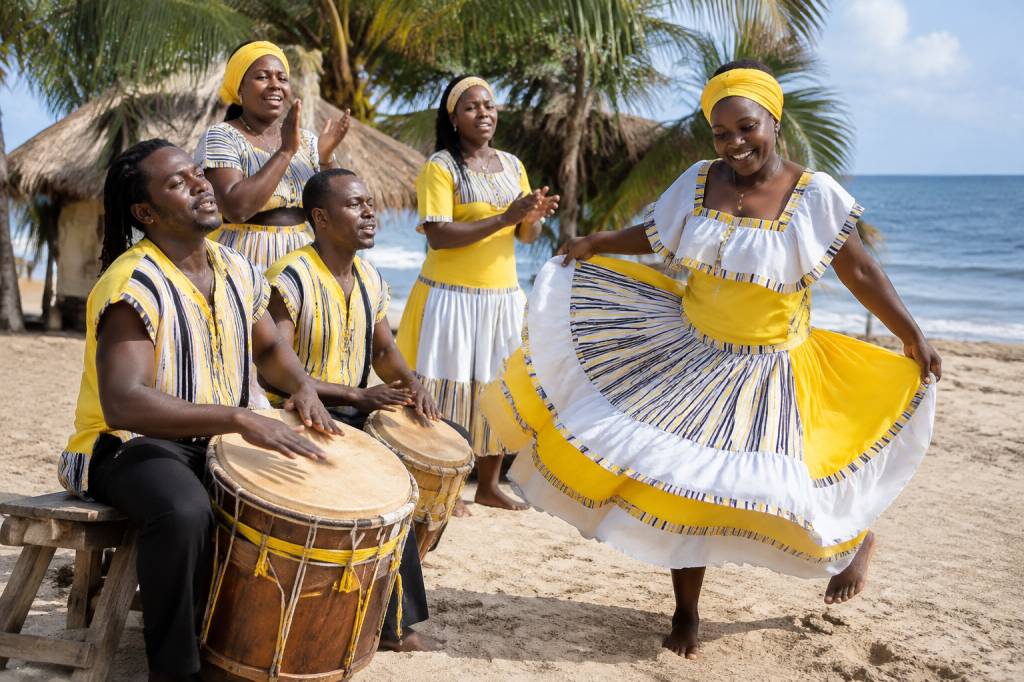
Garifuna music is among the most recognizable expressions of the culture. Drums provide its heartbeat, joined by singing, rattles, and, in some styles, instruments such as the guitar. Songs may carry stories, humour, memories, social commentary, or spiritual meaning. Some are made for dancing; others invite listeners to pay attention to the words and the voices behind them.
Punta is a lively dance and musical style often associated with celebrations. Its energetic rhythms are hard to ignore, though watching a skilled dancer can make even enthusiastic visitors reconsider their footwork. Punta rock, developed in Belize by musician Andy Palacio and others, blends traditional Garifuna rhythms with contemporary sounds. Palacio’s work helped bring Garifuna music to international audiences while celebrating its roots.
Another important style is paranda, which often features guitar and storytelling. Garifuna music is not one single sound, and performances can differ between communities and occasions. If you have the chance, attend a live performance led by local musicians rather than relying only on a recording. The rhythm feels different when the drums are in the same room—or, even better, under the same night sky.
Food with roots in the land and sea
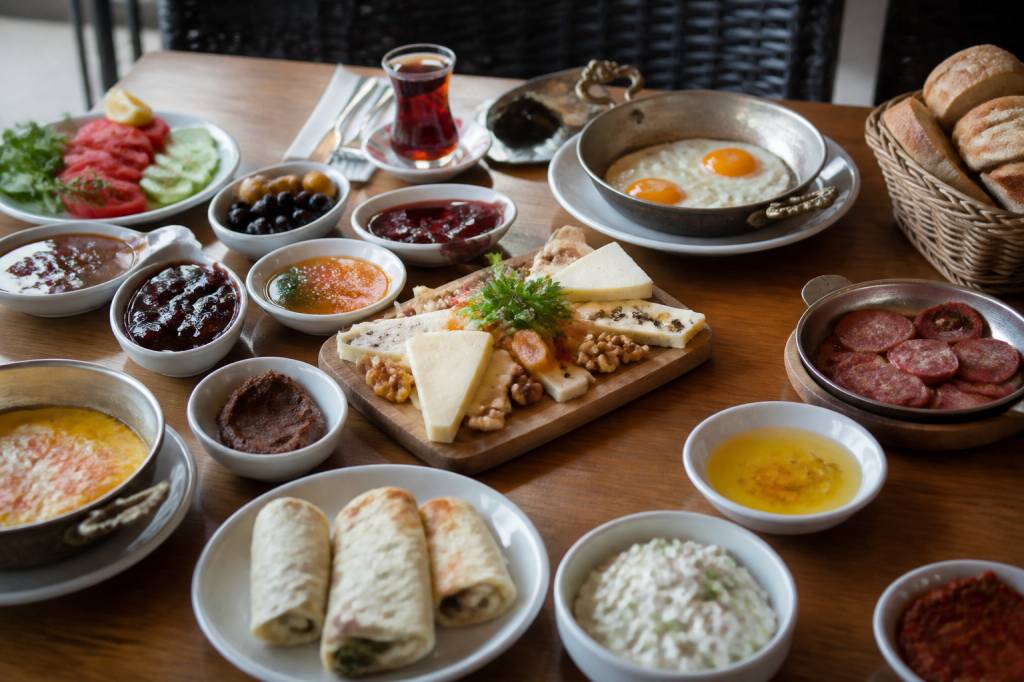
Garifuna cuisine draws on cassava, plantain, coconut, fish, and other local ingredients. One of the dishes visitors often encounter is hudut: fish served in a rich coconut broth with mashed plantain. It’s hearty, comforting, and particularly satisfying after a day exploring the coast.
Cassava is another essential ingredient. It is processed into foods such as ereba, a crisp cassava bread. Preparing cassava safely and turning it into flour or bread takes knowledge and work; it is not simply a matter of grating a root and putting it in a pan. In some communities, cassava processing remains a shared activity as well as a way to preserve culinary knowledge.
Food is best experienced through people, not just menus. Try a local restaurant or arrange a meal or cooking experience with a community-based host. Ask what you’re eating and how it’s prepared. You may leave with a full stomach and a new appreciation for the skill behind a dish that looks simple on the plate.
Spiritual traditions and community life
Garifuna spiritual life includes a blend of beliefs and practices shaped by African, Indigenous, and Christian influences. Traditions differ among families and communities, and some ceremonies are private or intended only for participants. The dugu, for example, is a significant communal ceremony connected with ancestors and family well-being.
Visitors should approach spiritual practices with particular care. A ceremony is not a performance arranged for tourists, and not every gathering is open to outsiders. If you are invited to observe something, follow your host’s instructions, ask what is appropriate, and avoid photographing or recording unless you have clear permission.
Community ties are also expressed through family networks, shared responsibilities, and the passing on of knowledge. Elders, parents, artists, and local educators all play roles in keeping traditions strong. These everyday connections may be less visible to a visitor than a festival, but they are just as important to understanding culture.
Where to experience Garifuna culture in Belize
Dangriga is a useful base for learning about Garifuna history, music, and arts. Hopkins is known for its welcoming village atmosphere and cultural experiences, while Seine Bight and Punta Gorda also have Garifuna communities and traditions. Each place has its own character, so avoid treating one visit as a complete picture of Garifuna life.
To make your visit more meaningful, consider these simple steps:
-
Look for local guides, musicians, cultural centres, and community-run tours.
-
Ask before photographing people, ceremonies, or cultural objects.
-
Buy crafts, food, and music directly from local makers when possible.
-
Check whether an event is public and follow the guidance of its organizers.
-
Leave time to talk and listen instead of rushing from one attraction to the next.
Belize’s Garifuna heritage is not a side note to a beach holiday. It is an essential part of the country’s history and present-day life, carried in language, food, music, and community. Come ready to learn, be a respectful guest, and follow the rhythm a little. You may discover that the most memorable part of your Belize trip isn’t a view from the shore, but the story someone shares beside it.