Belize is small enough to cross in a day and varied enough to keep you exploring for weeks. In the morning, you might drift over a reef in clear Caribbean water; by afternoon, you could be walking beneath rainforest canopy or standing among ancient Maya temples. Add laid-back cayes, lively local food, and a remarkable mix of cultures, and it is easy to see why this country rewards curious travelers.
So, what should you visit in Belize? The answer depends on whether you are happiest on a beach, in the jungle, or somewhere between the two. These places make an excellent starting point, with practical tips to help you plan a trip that feels like more than a checklist.
Explore the Belize Barrier Reef
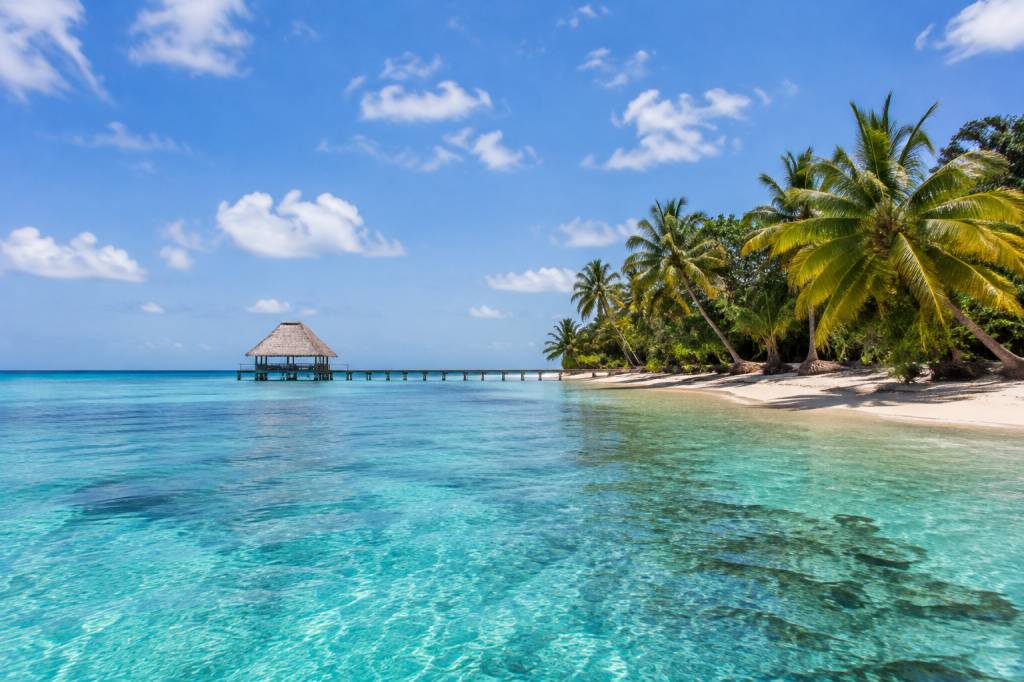
Belize’s Barrier Reef is the country’s signature natural wonder and part of the larger Mesoamerican Reef system. It stretches along the coast, sheltering coral gardens, mangroves, seagrass beds, and hundreds of small islands called cayes. For visitors, it means world-class opportunities to snorkel, dive, kayak, or simply admire the turquoise water.
Hol Chan Marine Reserve, near Ambergris Caye, is one of the easiest places to experience the reef. Its name means “little channel” in Maya, and the reserve protects a break in the reef where fish, rays, turtles, and nurse sharks gather. Nearby Shark Ray Alley is a popular snorkeling stop. The nurse sharks are accustomed to boats, but they are still wild animals: look, keep your distance, and follow your guide’s instructions rather than reaching out for a photograph.
For a quieter reef outing, ask local operators about less-visited snorkeling sites and smaller group trips. Water conditions change with wind and weather, so the best site on one day may not be the best choice the next. Booking with a licensed operator who respects marine rules makes a difference, particularly around coral and wildlife.
- Bring reef-safe sun protection, a reusable water bottle, and a rash guard.
- Never stand on or touch coral; even a brief contact can damage it.
- Choose tours that follow local reserve rules and avoid feeding wildlife.
See the Great Blue Hole from above or below
From the air, the Great Blue Hole looks almost unreal: a deep, dark circle set in the bright water of Lighthouse Reef Atoll. This giant marine sinkhole is one of Belize’s most famous sights and a UNESCO World Heritage Site. It is a long boat journey from the mainland, so visiting takes planning and usually involves an organized excursion.
Scuba divers may explore the hole with an experienced operator, but it is not automatically the best dive for every traveler. The descent is deep, the scenery is distinctive, and much of the appeal lies in the dramatic underwater formations rather than colorful shallow coral. If you are new to diving, Belize has many more suitable reef dives. A scenic flight, while more expensive, offers the clearest view of the Blue Hole’s famous shape and the surrounding atoll.
Check the full itinerary before booking. Many trips combine the Blue Hole with other reef or island stops, and travel times can be substantial. If your priority is relaxed snorkeling, a closer reef trip may deliver more time in the water for less money.
Choose your island: Ambergris Caye or Caye Caulker
Ambergris Caye is Belize’s largest island and the country’s busiest beach-and-reef base. San Pedro has restaurants, dive shops, hotels, and a lively waterfront, while quieter stretches of the island offer a slower pace. Golf carts are the customary way to get around, although walking works well in the town center. It is a convenient choice if you want plenty of tour options and easy access to Hol Chan.
Caye Caulker is smaller, more relaxed, and easy to explore on foot. Its unofficial motto, “Go Slow,” is good advice, especially when the afternoon heat arrives. Visitors come for simple guesthouses, seafood, reef trips, and sunset views rather than a long strip of sandy resort beach. The Split, a channel that divides part of the island, is a popular place to swim and spend an unhurried afternoon.
Neither island is a castaway fantasy with untouched beaches at every turn. The coastline is shaped by mangroves, seagrass, docks, and shifting sand, and swimming access varies by location. Ask your accommodation about nearby public access points and current conditions before setting out.
Find a beach that suits your trip
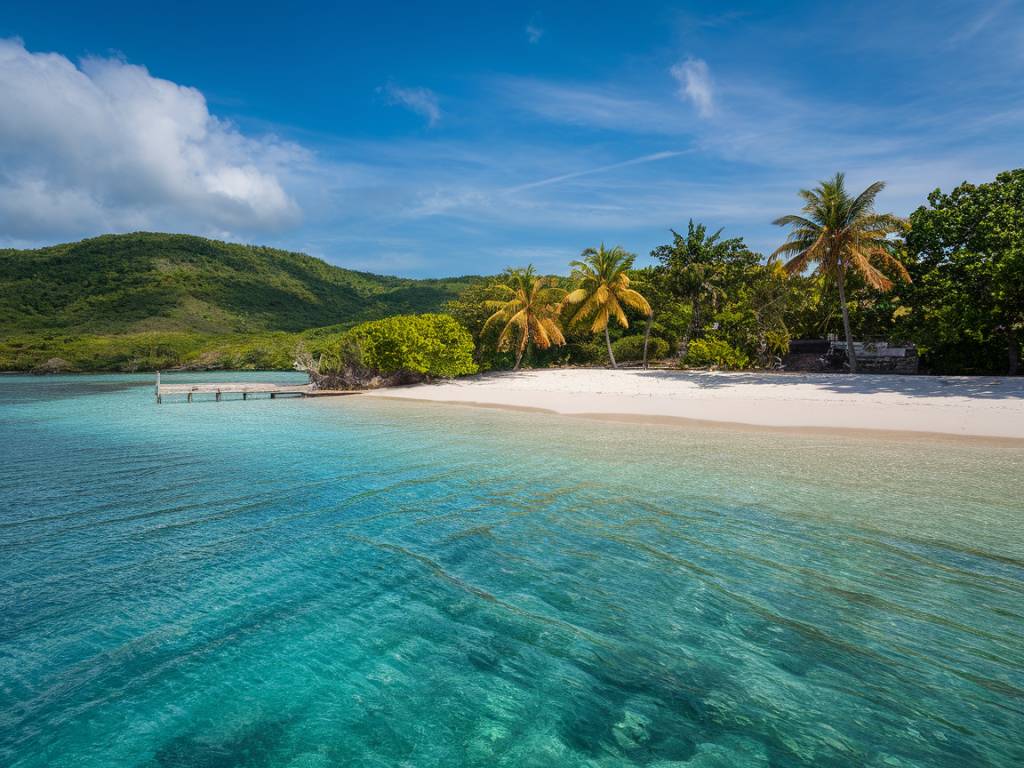
Belize is better known for its reef and cayes than for endless wide beaches. Still, the coast and islands offer lovely places to swim, stroll, and watch the light change over the Caribbean. Placencia, a peninsula in southern Belize, is one of the best mainland bases for beach time. Its village has a friendly, walkable feel, and the long shoreline is lined with guesthouses, cafés, and small resorts.
Hopkins, a coastal village with a strong Garifuna heritage, offers a different kind of seaside stay. You can relax by the water, learn about local music and food, or arrange a boat trip along the coast. South of the village, the scenery grows quieter, with mangroves and coastal habitats that make a good counterpoint to a few lazy beach days.
On the Placencia Peninsula, water taxis and organized boat trips can take you to nearby cayes and reef sites. Conditions, access, and facilities differ, so pack drinking water and sun protection if you are heading away from the village. A beautiful empty shore is less appealing when you have forgotten the water.
Visit ancient Maya cities in the jungle
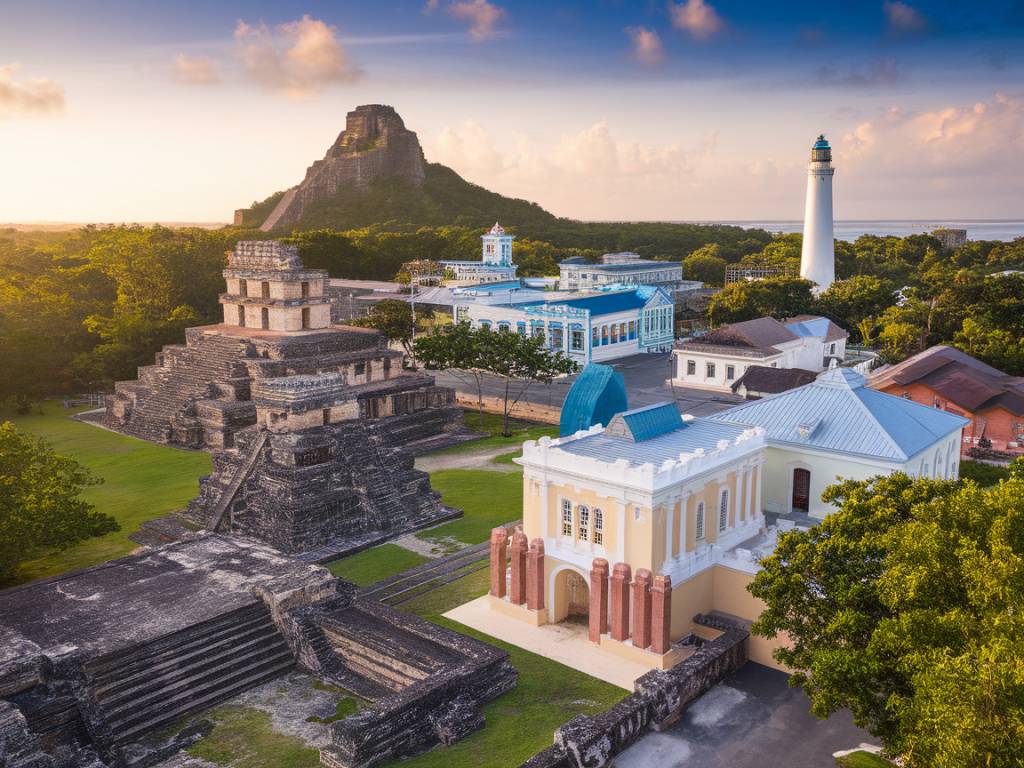
Belize’s history is written across its landscape in the remains of ancient Maya cities. Xunantunich, near San Ignacio in western Belize, is a rewarding first site. To reach it, visitors cross the Mopan River on a hand-cranked ferry, then continue to the archaeological area. Climb El Castillo, the main pyramid, for sweeping views across the forest and into Guatemala on a clear day.
Caracol, deep in the Chiquibul Forest Reserve, is larger and more remote. Its monumental structures rise above the canopy, and the journey through the forest is part of the experience. Roads can be rough, and access conditions may change, so arrange transport with a knowledgeable local operator and check current guidance before you go.
Lamanai, in northern Belize, offers a memorable approach by boat along the New River. The ride passes wetlands and forest where you may spot birds, crocodiles, or howler monkeys before arriving at the ruins. The name is often translated as “submerged crocodile,” and carved crocodile imagery appears at the site. Bring insect repellent, a hat, and enough time to enjoy the journey as well as the temples.
These places are not just dramatic backdrops for photographs. They are part of a living Maya heritage. Take care around the structures, stay on marked paths, and consider hiring a guide who can explain the architecture, history, and continuing cultural significance of the sites.
Go underground at Actun Tunichil Muknal
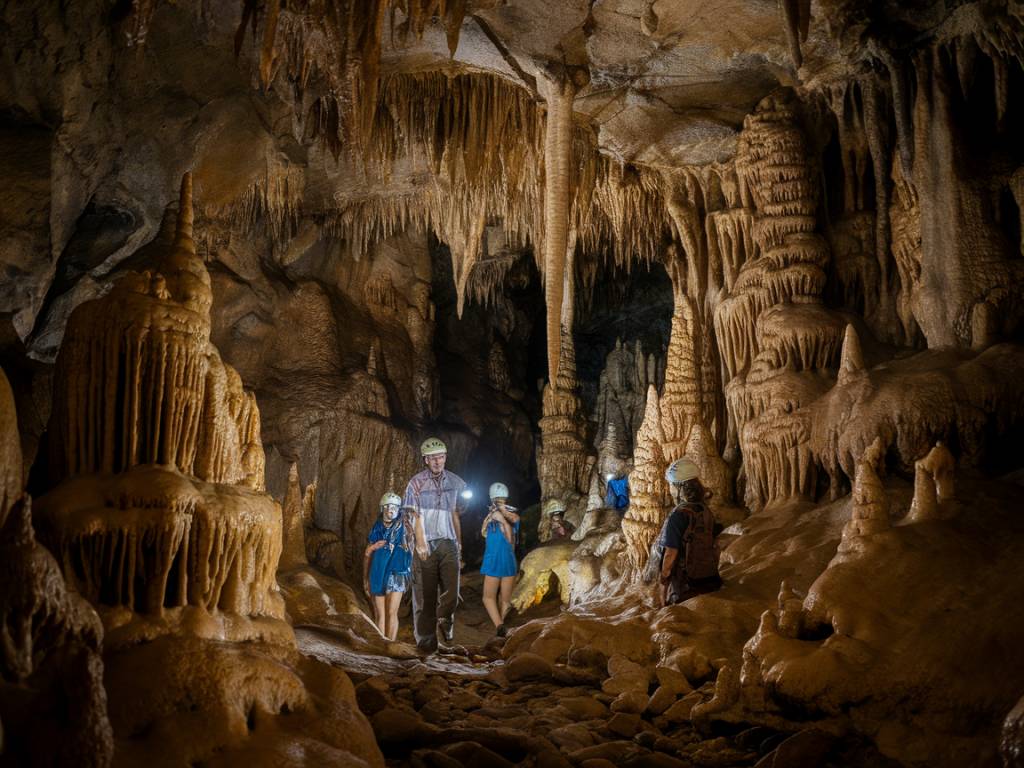
Actun Tunichil Muknal, usually called ATM, is one of Belize’s most extraordinary cave experiences. Reaching the archaeological site involves hiking through forest, crossing streams, and swimming into a cave system. Inside are ancient Maya artifacts and human remains, left in place as part of a remarkable archaeological setting.
This is not a casual walk-in attraction. Visitors must go with an authorized guide, follow strict site rules, and be comfortable with swimming and uneven terrain. You will get wet, and you should expect a physically active day. Cameras and other equipment may be restricted to protect the cave, so check the operator’s current instructions before your visit. If the idea of a dark cave and cold water sounds more stressful than thrilling, Belize has plenty of gentler adventures.
Cool off at waterfalls, rivers, and jungle reserves
After a few days of salt water, head inland to the Cayo District. Around San Ignacio, forest reserves and river valleys offer a mix of wildlife, swimming, and adventure. Big Rock Falls, in Mountain Pine Ridge Forest Reserve, tumbles into a natural pool surrounded by rock and greenery. The walk down is steep in places, so wear shoes with good grip and check local conditions after heavy rain.
At Rio On Pools, smooth granite formations create a series of small pools and cascades. It is an inviting place to cool off, but rocks can be slippery and water levels vary. The forest reserve also has scenic viewpoints and other natural attractions, making it worth a full day with a driver or guided tour.
For a quieter outing, consider a river trip or a walk with a local naturalist. The rainforest is easiest to appreciate when you slow down: listen for birds, scan the branches, and give your eyes time to adjust to the layers of green. A guide can help identify wildlife you might otherwise mistake for a moving leaf. It happens to the best of us.
Look for wildlife in protected places
Belize’s variety of habitats supports an impressive range of wildlife, from manatees and sea turtles to toucans, crocodiles, and howler monkeys. The Cockscomb Basin Wildlife Sanctuary, often described as a jaguar reserve, protects a large area of tropical forest in the south. Jaguars are elusive, so do not visit expecting a guaranteed sighting. The rewards are the trails, rivers, birds, and sense of being deep in the forest.
For easier wildlife viewing, consider a guided boat trip through a wetland or mangrove area. Crooked Tree Wildlife Sanctuary is known for birdlife, especially during the dry season when water levels can concentrate birds around the lagoon. Near the coast, manatee-viewing tours operate in some areas, but sightings are never guaranteed. Keep a respectful distance and choose operators who put animal welfare first.
Wildlife encounters are best when they happen on the animal’s terms. Avoid feeding animals, keep noise low, and never ask a guide to chase or handle wildlife for a closer look.
Make time for Belize’s towns, food, and culture
Belize is more than a collection of postcard landscapes. Its communities reflect Maya, Garifuna, Creole, Mestizo, East Indian, and other influences, and local traditions vary from region to region. Hopkins and Dangriga are important places to learn about Garifuna culture, including its music, food, and history. Ask before photographing people or cultural events, and approach performances as living traditions rather than tourist props.
In San Ignacio, browse the market, sample seasonal fruit, and try local dishes such as rice and beans with stewed chicken, garnaches, or a fresh fry jack. Along the coast, seafood is a natural choice, though menus and availability change with the season. A small restaurant recommended by a local may be more memorable than the most polished dining room in town.
Belize’s official language is English, while Belizean Creole, Spanish, Garifuna, and Maya languages are also widely spoken in different communities. A friendly greeting and a willingness to listen go a long way wherever you travel.
Plan your route and travel at an easy pace
Belize’s compact size can be misleading. A trip between regions may involve buses, water taxis, small planes, or long drives on roads that take more time than the map suggests. Rather than trying to see the whole country in a few days, choose two or three bases. A classic route might combine San Ignacio’s Maya sites and jungle with a few nights on Caye Caulker or Ambergris Caye. With more time, add Placencia, Hopkins, or a southern reef trip.
- Dry season: Typically runs from late November into May and is popular for outdoor plans, though showers can occur.
- Rainy season: Usually falls from June to November; expect greener landscapes, heavier showers, and possible changes to transport or tour schedules.
- Getting around: Book popular transfers and island connections ahead during busy periods, and build in extra time for weather-related changes.
- What to pack: Lightweight clothing, sturdy walking shoes, swimwear, insect repellent, sun protection, and a dry bag for boat trips.
Belize is at its best when you leave room for a change of plans: an extra snorkel stop, a slow lunch in a village, or one more hour beside a jungle river. Pick the places that match your interests, travel with care, and let the country’s mix of reef, rainforest, history, and warm local hospitality shape the journey.