Belize is small enough to cross in a few hours and varied enough to keep you exploring for weeks. One day might mean snorkeling over a coral reef; the next, following a jungle trail beneath broadleaf trees or climbing the steps of an ancient Maya city. Add palm-fringed cayes, lively coastal towns and wildlife that appears when you least expect it, and choosing what to do becomes the real challenge.
Whether you’re planning a short escape or a longer trip, the best Belize experiences often combine a little adventure with time to slow down. Here are some of the country’s standout beaches, nature encounters and outdoor activities, along with practical tips to help you make the most of them.
Find your kind of beach
Belize’s coastline is less about endless stretches of mainland sand and more about small islands, reefs and cayes. The feel of a beach can change from one place to another: some are made for a swim and a lazy afternoon, while others are best appreciated from a boat or beneath the water.
Ambergris Caye is the country’s best-known island destination. San Pedro has restaurants, dive shops and a lively waterfront, while quieter spots farther north offer an easy escape from town. The offshore reef is the main attraction here, so many visitors spend more time snorkeling or diving than sunbathing. Water taxis and organized boat trips make it straightforward to reach popular reef sites.
Caye Caulker has a more laid-back feel, with sandy lanes, casual seafood spots and a famously unhurried pace. The Split, a narrow channel between parts of the island, is a popular place to swim and relax. Arrive expecting a small island atmosphere rather than a resort-style beach: the appeal is the clear water, friendly local businesses and the freedom to do very little for a while.
On the southern coast, Placencia offers a long peninsula with a walkable village, small hotels and easy access to boat trips. Its beach is a lovely place for a stroll, especially in the softer light of morning or evening. Placencia is also a convenient base for exploring nearby cayes and marine reserves.
For a quieter stay, look into Hopkins, a Garifuna village with a welcoming coastal atmosphere. It offers a different rhythm from the islands, as well as a chance to learn about Garifuna culture and food. Wherever you stay, remember that beach conditions can vary with weather, seaweed and local currents. Ask your accommodation or a local guide about swimming conditions before heading into the water.
Explore the Belize Barrier Reef
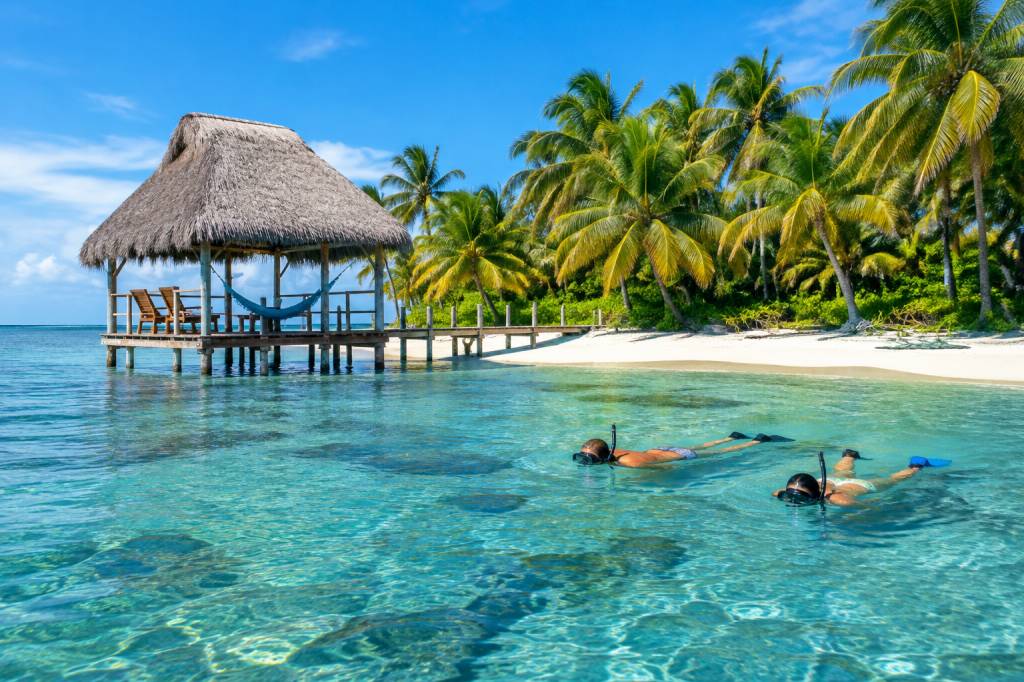
The Belize Barrier Reef is the centerpiece of many visitors’ itineraries. It forms part of the Mesoamerican Reef System and shelters an extraordinary range of marine life. You don’t need to be an experienced diver to enjoy it: guided snorkeling trips let you see coral gardens, colorful fish and, with luck, rays or sea turtles from the surface.
Popular stops include Hol Chan Marine Reserve and Shark Ray Alley, reached by boat from Ambergris Caye or Caye Caulker. At Shark Ray Alley, nurse sharks and southern stingrays are frequently spotted. Keep a respectful distance, follow your guide’s instructions and never try to touch or chase wildlife. A good encounter is one in which the animals get to carry on with their day.
Divers can choose from shallow reefs, walls and deeper sites, with options for a range of experience levels. If you’re new to diving, check that your operator is properly certified and ask exactly what a trip includes. Conditions, visibility and marine life vary, so no responsible operator can promise a particular sighting.
For reef visits, bring reef-safe sun protection, a reusable water bottle and a light cover-up. Choose operators who avoid standing on coral or feeding marine animals. These small choices matter in a habitat that is beautiful, delicate and under pressure.
Make time for wildlife
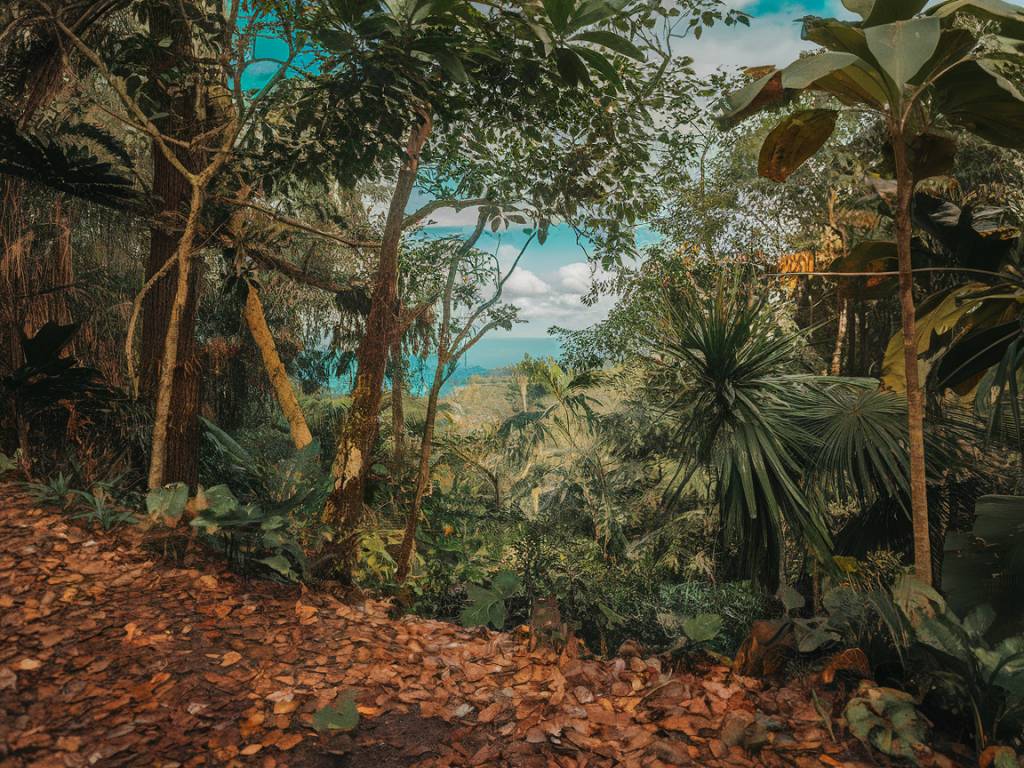
Belize’s wild side extends well beyond the water. In the country’s forests and wetlands, you may hear howler monkeys before you see them, spot iguanas warming themselves in the sun or catch a flash of color as a toucan passes overhead. A guide can make a huge difference: they know where to look and can point out the smaller signs of life you might otherwise miss.
Cockscomb Basin Wildlife Sanctuary, in southern Belize, protects a large area of tropical forest and is known for its jaguar conservation work. Jaguars are elusive, and spotting one is unlikely; visitors come for the trails, birds, rivers and lush mountain scenery as much as for the chance of a rare sighting. Take drinking water, wear sturdy shoes and check trail conditions before setting out.
For birdwatching and wetlands, consider the Community Baboon Sanctuary along the Belize River. Despite its name, the sanctuary is best known for protecting black howler monkeys, locally called baboons. A local guide can explain how nearby communities have worked together to preserve habitat and coexist with the animals. Go quietly, keep your distance and avoid using playback sounds to attract wildlife.
Another memorable outing is a boat trip on the New River to Lamanai. Along the way, guides often look for crocodiles, birds and monkeys on the riverbanks. The journey is part of the experience: watch the forest edges closely and bring binoculars if you have them. Wildlife sightings are never guaranteed, but patient travelers usually find plenty to notice.
Go underground in a cave
Belize’s limestone landscape is threaded with caves, some of which hold deep cultural and archaeological significance. Exploring one with a trained guide is a striking way to experience the country’s natural and Maya heritage, but cave tours aren’t all the same. Some are gentle walks; others involve swimming, climbing or squeezing through narrow passages.
Actun Tunichil Muknal, often called ATM Cave, is one of the most renowned cave experiences. The guided tour combines river crossings with a demanding route into a ceremonial site containing ancient Maya artifacts and human remains. It is not a casual stroll, and access rules are strict to protect the site. Check age, fitness and equipment requirements before booking, and follow your guide’s instructions throughout.
If you’d rather keep your feet on a trail, the Blue Hole National Park area offers forest walks and access to the Inland Blue Hole, a natural pool surrounded by greenery. This is different from the Great Blue Hole offshore, which is a marine sinkhole visited by boat or aircraft. The names are easy to mix up; the landscapes are not.
Visit Maya sites and step into history
Belize is home to remarkable Maya archaeological sites, many set amid forest or farmland. Walking among temples and plazas gives you a sense of the scale and sophistication of ancient Maya cities—and of how much remains to be discovered.
Caracol, deep in the Chiquibul Forest Reserve, is one of the country’s largest Maya sites. Reaching it takes time, and road conditions can vary, so many visitors go with an experienced guide or a tour from the San Ignacio area. The journey rewards you with a quieter, more remote setting than the country’s easiest-to-reach sites.
Xunantunich is a more accessible choice from San Ignacio. After crossing the Mopan River on a hand-cranked ferry, you can walk through the site and climb El Castillo for views over the surrounding landscape. Another option is Lamanai, reached by boat from the New River lagoon, where the approach through wetlands is part of the adventure.
At archaeological sites, stick to marked paths, respect barriers and don’t climb where it is prohibited. A knowledgeable guide can add context to the stonework and landscape that a quick visit alone might miss.
Try an adventure on land
Inland Belize is made for getting outside. Around San Ignacio, you can hike, cycle, kayak and explore caves, with several activities easy to combine over a few days. Mountain Pine Ridge Forest Reserve has a different feel from the lowland jungle, with pine forests, waterfalls and rocky scenery. Big Rock Falls and Rio On Pools are popular stops, though water levels and access conditions can change with the season.
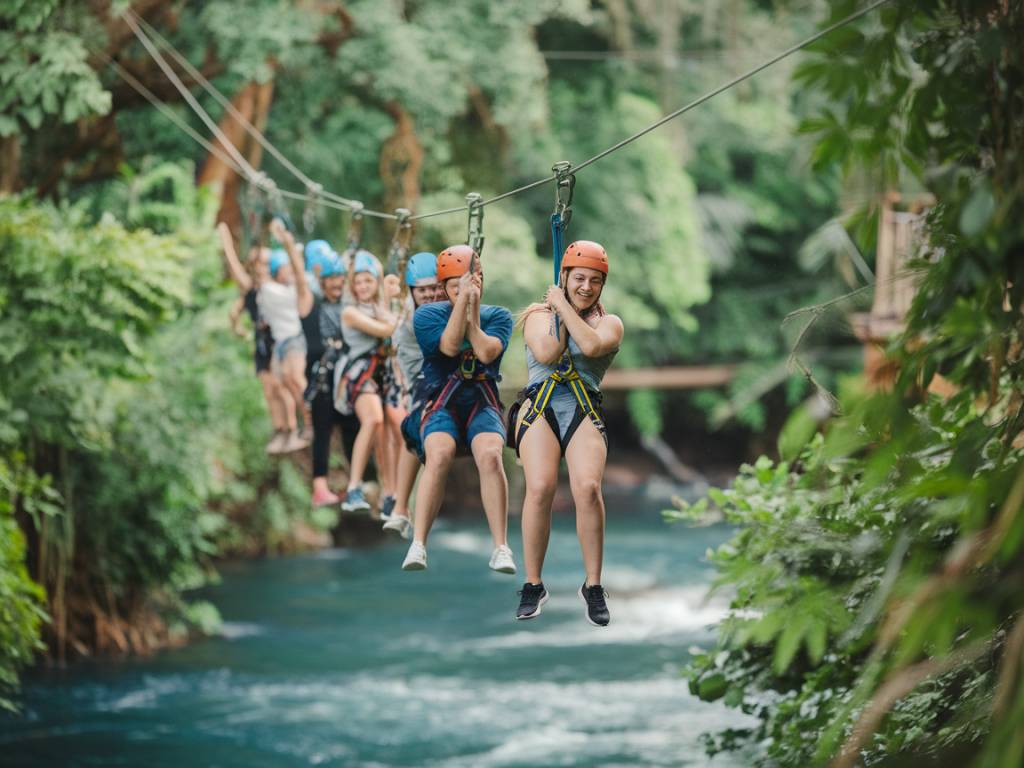
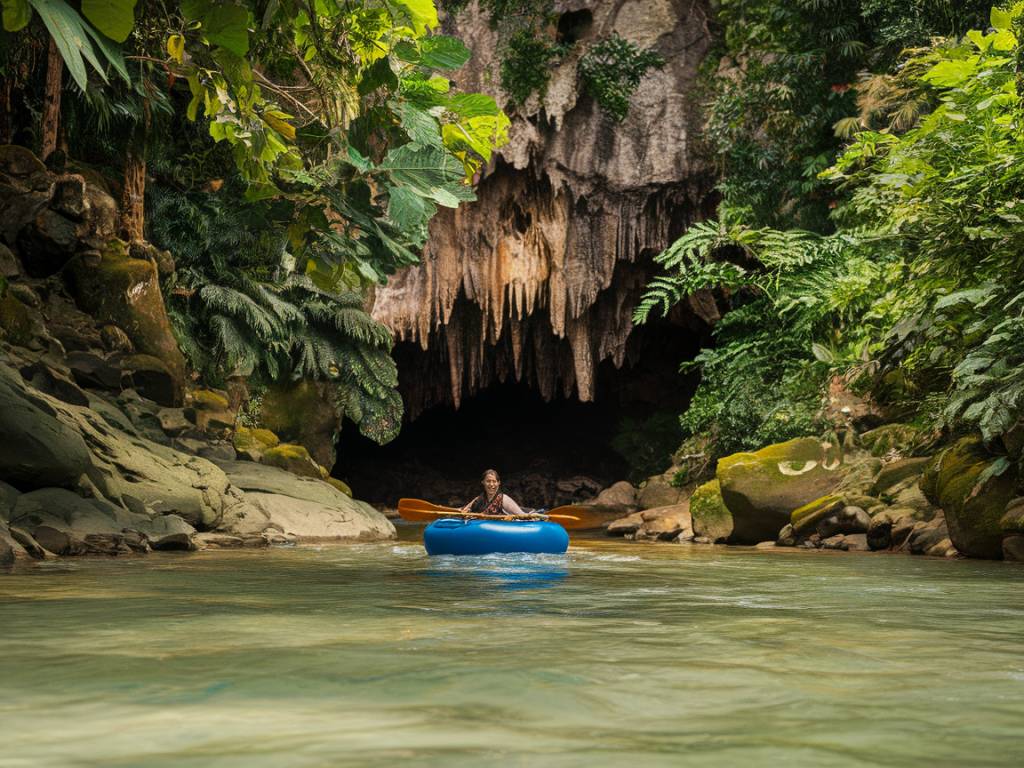
For a more energetic day, look for guided cave tubing or a canopy tour. Cave tubing usually involves floating along an underground river, while ziplining takes you above the forest. Ask operators about safety equipment, group sizes and what the activity demands physically. A little honesty about your comfort level makes for a better day than bravely agreeing to everything and regretting it halfway up the trail.
Kayaking and canoeing offer a slower way to explore rivers and lagoons. Go with a guide if you’re unfamiliar with the area, and check weather forecasts before setting out. In tropical conditions, rain can affect river levels quickly.
Choose an activity that fits the season
Belize has a tropical climate, but conditions vary by region and month. The drier season generally runs from around late November to May, while the wetter season is typically from June to November. Those are broad patterns rather than guarantees: rain showers can happen in any season, and weather can affect boat trips, road access and visibility underwater.
Book popular tours in advance during busy travel periods, especially if you have your heart set on a specific cave or reef trip. For flexible plans, leave a spare day in your itinerary. It gives you room to adjust if weather changes or if you discover that another swim, hike or unhurried lunch is exactly what the day needs.
Pack light, breathable clothing, a rain layer, insect repellent and sun protection. Bring cash for smaller businesses and ask about local transport options before traveling between destinations. Distances may look short on a map, but connections between cayes, towns and inland attractions can take longer than expected.
Build a balanced Belize itinerary
To see both coast and interior without rushing, choose two or three bases rather than trying to cover the whole country in a few days. Pair San Ignacio with a reef destination such as Caye Caulker, Ambergris Caye or Placencia. If you have more time, add Hopkins for a coastal village experience and a chance to learn about Garifuna culture.
A balanced week might include a Maya site, a cave or forest excursion, and a couple of days on the water. But don’t treat every morning as a race to the next attraction. Belize is especially rewarding when you leave room for an unexpected bird sighting, a conversation with a guide or one more swim before sunset. The best plans here are detailed enough to get you moving—and relaxed enough to let the country surprise you.